|
Showing posts with label wellness. Show all posts
Showing posts with label wellness. Show all posts
Wednesday, March 23, 2011
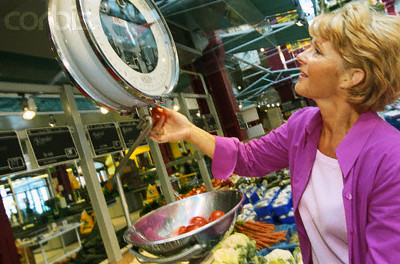
As boomers turn 50 and enter their 60s, they are carrying with them a firm belief that getting older means getting better and they are making health and wellness a top priority.


Tuesday, March 15, 2011
The Cold Standard
March 2011 »
Frozen/Refrigerated »
Natural and Organic
By Jennifer Strailey
The frozen case offers a host of hot trends in natural and organic foods.
One of last year's hottest food and beverage trends came out of the supermarket freezer case, and, given the current economic outlook and consumer shopping habits, industry analysts believe this cold front has moved in for the long stretch.
U.S. retail sales of frozen foods and beverages through all retail channels totaled $55.9 billion in 2010, up 1.7 percent from the previous year, according to Packaged Facts, a division of MarketResearch.com, in its recently released report, "Frozen Foods in the U.S., 3rd Edition" (January 2011). The consumer market research firm, based in Rockville, Md., expects that number to reach $70 billion in 2015.
There's no question that frozen food sales have been driven in part by the economy, which has seen a decline in Americans dining out in favor of eating at home. Frozen foods provide a more affordable alternative to eating out, while at the same time satisfying consumers' eternal craving for convenience. But more recently, manufacturers have introduced a slew of natural, organic and wellness-oriented frozen food and beverage products that has brought attention — and health cred — to the category like never before.
Tuesday, January 4, 2011
Wellness Ingredients
Wellness Ingredients: Culinary Trend Mapping Report
Long before today’s pharmaceutical industry, civilizations treated illness with diets meant to balance one’s humors (Greeks), yin and yang (Chinese) or doshas (Ayurveda). Whatever the bodily ailment or concern, food in the form of herbs, spices, barks, teas, soups and what-have you was administered to make a body better. This age-old notion is regaining traction, and represents a growing trend in the American health and wellness arena today.
Consumers are more engaged than ever trying out new foods and diets in hopes of curing what ails them or preventing ailments to which they are susceptible. Consumers’ participation in uncovering and treating various conditions with food is part of this era’s DIY-care mentality. Hobbled with healthcare issues and economic woes, while simultaneously emboldened by innumerable Internet pages and a growing understanding and acceptance of alternative medical systems —Traditional Chinese Medicine with its acupuncture, holistic medicine and its tinctures, naturopathy and even yoga—consumers have never had more motivation or ammunition for finding new cures themselves, especially diet-related ones.
The wellness ingredients profiled in this report all have this ancient medicinal wisdom element in common. These ingredients have been consumed for healthfulness by cultures around the world for centuries, and are finding new life today in natural food stores as well as the natural food aisles in mainstream grocery stores.
The Culinary Trend Mapping Report is an indispensable tool for those whose job it is to stay abreast of what's hot - and what will be - in the food world.
The reports leverage the Center for Culinary Development’s (CCD) signature Trend Mapping technique, a validated method for identifying which culinary trends are gaining traction and which are simply flashes in the pan.
Each 65+ page journal is packed with trends, data, strategies and insights on the food industry that simply aren't available anywhere else.
Each Issue of the Culinary Trends Mapping Report
Trend Mapping is guided by the premise that major food trends pass through five distinct stages on their way to the mainstream:
Published bimonthly, the Culinary Trend Mapping Report is available for purchase as a single issue or a six-issue subscription.
Long before today’s pharmaceutical industry, civilizations treated illness with diets meant to balance one’s humors (Greeks), yin and yang (Chinese) or doshas (Ayurveda). Whatever the bodily ailment or concern, food in the form of herbs, spices, barks, teas, soups and what-have you was administered to make a body better. This age-old notion is regaining traction, and represents a growing trend in the American health and wellness arena today.
Consumers are more engaged than ever trying out new foods and diets in hopes of curing what ails them or preventing ailments to which they are susceptible. Consumers’ participation in uncovering and treating various conditions with food is part of this era’s DIY-care mentality. Hobbled with healthcare issues and economic woes, while simultaneously emboldened by innumerable Internet pages and a growing understanding and acceptance of alternative medical systems —Traditional Chinese Medicine with its acupuncture, holistic medicine and its tinctures, naturopathy and even yoga—consumers have never had more motivation or ammunition for finding new cures themselves, especially diet-related ones.
The wellness ingredients profiled in this report all have this ancient medicinal wisdom element in common. These ingredients have been consumed for healthfulness by cultures around the world for centuries, and are finding new life today in natural food stores as well as the natural food aisles in mainstream grocery stores.
- Stage 1: Healing Spices — Holy basil and turmeric are two Ayurvedic staples situated at Stage 1 but gaining momentum in the health food world as functional ingredients with therapeutic properties. Boasting digestive and mental health benefits, these spices are being incorporated into teas, nut butters and energy bars.
- Stage 2: Hemp — Although industrial hemp production remains illegal in much of the U.S., the market for hemp products is flourishing. Hemp seed is the edible part of the hemp plant, and it packs quite a nutritional punch. No wonder it’s become a healthful booster to everything from nut bars to milk to salad dressing.
- Stage 2: The New (Old) Fermented Foods — Fermented foods like miso, kasu, tempeh and pu-erh tea are rapidly gaining adherents as consumers seek out foods that are less processed and more nutrient-rich. Benefits range from an ability to improve digestion to naturally high protein content, and these imported superfoods can enhance taste, too.
- Stage 2: Sprouted Foods — Health-focused manufacturers are sprouting wheat, rice and other grains, nuts and seeds and using them as a base for wholesome grain goods that offer more nutrition and are more digestible than similar products made without sprouted grains.
- Stage 3: Grass-fed Meat & Dairy — Grass-fed Meat & Dairy has an impressive health halo as well as an improved reputation for taste. It also feeds into consumers’ desires for more authentically good-for-you products, those our grandparents and great-grandparents relied on.
- Stage 3: Agave Nectar — Agave nectar fits well with consumer desires for a more healthful plant-based sweetener. Its lower-than-white sugar glycemic index means it helps maintain even blood sugar levels, and because it is sweeter than sugar, consumers can use less of it, making it a good value.
- Stage 5: DHA — Docosahexaenoic Acid (DHA) may be the hottest long-chain fatty acid you can’t pronounce. DHA is a source of Omega-3 that is being promoted for its ability to enhance brain function and development.
The Culinary Trend Mapping Report is an indispensable tool for those whose job it is to stay abreast of what's hot - and what will be - in the food world.
The reports leverage the Center for Culinary Development’s (CCD) signature Trend Mapping technique, a validated method for identifying which culinary trends are gaining traction and which are simply flashes in the pan.
Each 65+ page journal is packed with trends, data, strategies and insights on the food industry that simply aren't available anywhere else.
Each Issue of the Culinary Trends Mapping Report
- Identifies the maturity level of foods and ingredients according to CCD’s unique, proprietary 5-stage trend mapping process.
- Concentrates on a theme that is affecting the food industry, and then looks at the emerging and established trends along the Trend Map that are shaping this theme.
- Delves into these trends and what they mean for you and the manufacturing, retailing, and foodservice industries.
- Gives strategic insight into how consumers are thinking of and reacting to new foods and ingredients.
- Provides business know-how regarding opportunities, challenges, and ways to implement current trends into foodservice, retail, and packaged goods operations.
- Presents a feature interview with a member chef from CCD’s exclusive 80+ member Chefs’ Council who offers expert analysis and unique perspective on a specific trend.
Trend Mapping is guided by the premise that major food trends pass through five distinct stages on their way to the mainstream:
- Stage 1: The ingredient, dish and/or cooking technique appears at upscale dining establishments, ethnic and popular independent restaurants.
- Stage 2: The item is featured in specialty consumer-oriented food magazines such as Bon Appetit plus retail stores such as Sur La Table that target culinary professionals and serious home cooks.
- Stage 3: The item begins to appear in mainstream chain restaurants—Applebee's or Chili's—as well as retail stores such as Williams-Sonoma that target recreational cooks.
- Stage 4: Publications such as Family Circle and Better Homes and Gardens pick up the buzz.
- Stage 5: Finally, the trend makes its way to quick service restaurant menus and either starts to appear or gains increased mainstream presence on grocery store shelves.
Published bimonthly, the Culinary Trend Mapping Report is available for purchase as a single issue or a six-issue subscription.
Subscribe to:
Comments (Atom)